
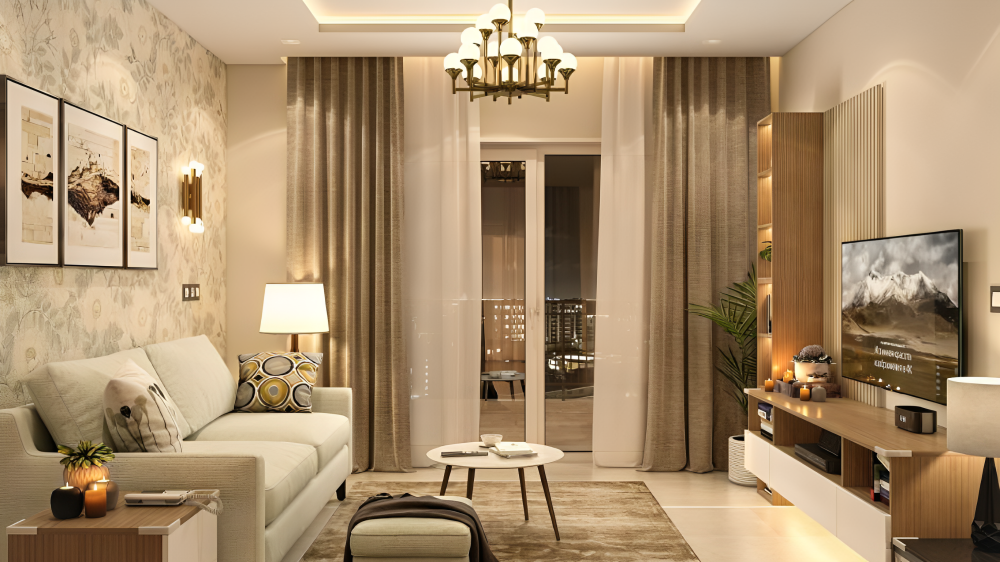
When it comes to small living room ideas, every square foot counts toward creating a space that feels open, functional, and inviting rather than cramped. The right choices in furniture, layout, color, and storage turn limitations into strengths, letting you enjoy a room that works hard without looking cluttered.
Selecting Furniture for Small Living Rooms
Start with scale. Oversized pieces swallow space, so measure twice and choose sofas and chairs that sit on slender legs. This lifts the furniture visually and lets the floor show through, instantly adding breathing room. Armless designs or slipper chairs slide in easily and pair well with a slim bench instead of a bulky coffee table.
Multi-functional items deliver the most value. A storage ottoman serves as seating, a footrest, and a hidden spot for blankets or magazines. Nesting tables stack away when guests leave but spread out for drinks and snacks. In small living room ideas, these dual-purpose pieces prevent the need for extra side tables that crowd pathways.
Avoid heavy, dark wood frames. Light finishes or metal bases keep the room airy. A glass-top table reflects light and appears to disappear, while a low-profile sectional hugs the wall without dominating the center. Focus on proportion: the sofa should never block windows or doorways. Leave at least 18 inches of walking space around major pieces so movement feels natural, not forced.
Texture adds interest without bulk. A linen slipcover or woven throw introduces softness, but keep patterns small and restrained. One bold accent pillow is plenty; too many patterns fight for attention and make the space feel busier. These furniture decisions form the backbone of successful small living room ideas because they prioritize flow over filling every inch.
Optimizing Layouts in Small Living Rooms
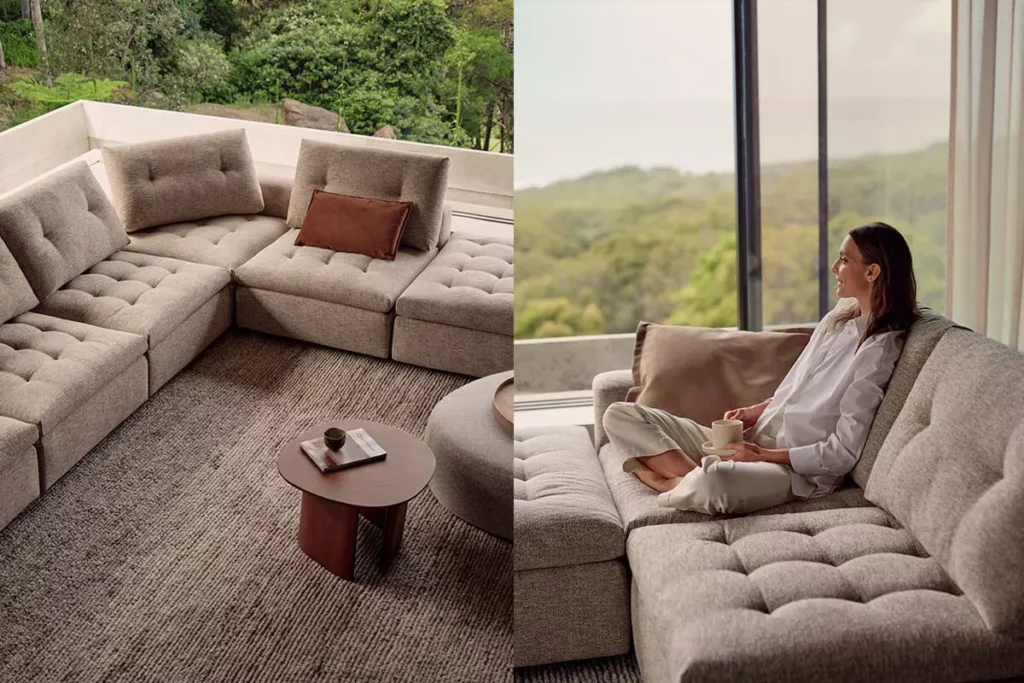
Layout dictates how the room lives. Push seating against walls only if the space is extremely narrow; otherwise, float the sofa a few inches off the back wall to create depth. An L-shaped sectional works beautifully in small living room ideas because it defines zones without walls. Place it in a corner, add a round coffee table in the middle, and suddenly the room gains a clear conversation area plus open floor for traffic.
Diagonal placement opens things up too. Angle a chair toward the window or fireplace to draw the eye across the room and prevent a boxed-in feeling. Keep pathways clear—nothing narrower than 30 inches—so the space never feels like an obstacle course. In apartments, consider a loveseat paired with two accent chairs instead of a full sofa; this arrangement allows flexible repositioning for movie nights or parties.
Vertical space is your secret weapon. Tall bookshelves or narrow consoles behind the sofa hold books and lamps while pulling the eye upward. This trick makes ceilings seem higher and expands the perceived size. Small living room ideas thrive on these vertical moves because they use height instead of floor area, freeing the center for movement.
Test layouts with painter’s tape on the floor before buying. Outline furniture footprints and walk through daily routines. You’ll spot bottlenecks early and adjust without regret. The best layouts in small living room ideas always balance seating, storage, and circulation so the room supports real life rather than just looking good in photos.
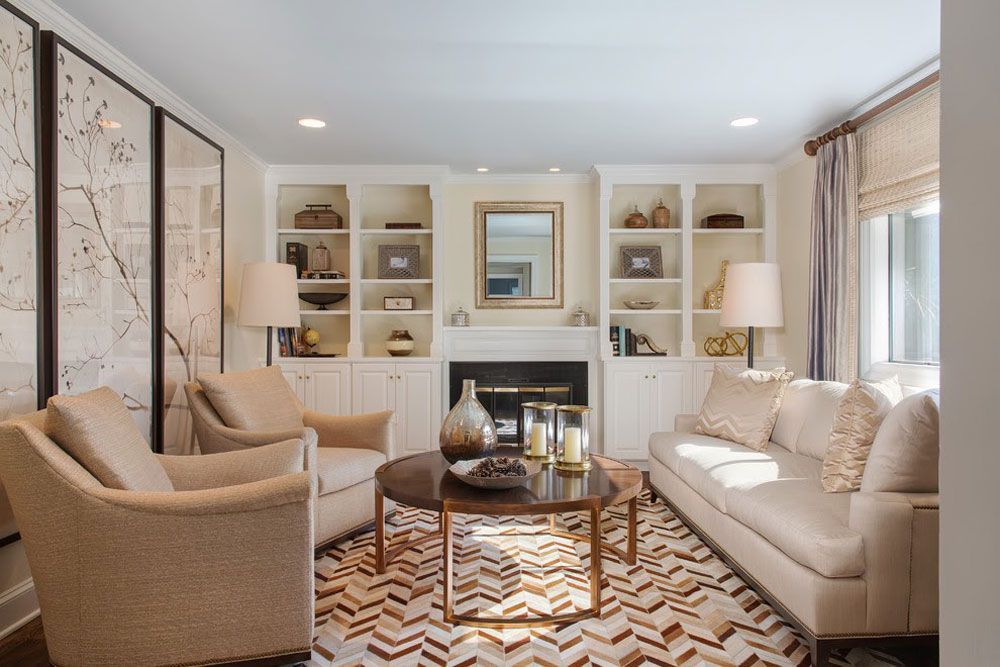
17 Small Apartment Living Room Ideas to Make the Most of Your Space
Using Color and Mirrors in Small Living Room Ideas
Color transforms mood and size perception. Pale neutrals—soft greys, warm whites, or gentle beiges—bounce light and blur boundaries between walls and furniture. Paint trim the same shade as walls to eliminate visual stops and create seamless flow. One accent wall in a slightly deeper tone adds depth without closing the space in.
Mirrors multiply the effect. A large floor mirror leaning against the wall opposite a window doubles natural light and reflects greenery or artwork. Over the sofa, a wide horizontal mirror widens the room visually. In small living room ideas, strategic mirrors act like windows to nowhere, pulling the eye outward and erasing the feeling of confinement.
Avoid glossy finishes on every surface; mix matte paint with subtle sheen on fabrics. This contrast adds sophistication while keeping glare under control. Floor-to-ceiling curtains in the same pale tone as walls elongate the room vertically. Skip heavy drapes that eat space; lightweight sheers or roman shades maintain privacy without bulk.
Layer soft color through accessories. A muted rug anchors the seating area and ties pieces together. Keep the palette to three tones max so the eye rests rather than jumps. These color and mirror strategies prove that small living room ideas succeed when they trick the senses into seeing more volume than actually exists.
Clever Storage for Small Living Rooms
Hidden storage separates tidy rooms from chaotic ones. Built-in benches under windows hide seasonal items and provide extra seating. Wall-mounted shelves climb upward, displaying books or plants without claiming floor space. Floating shelves above the sofa hold remotes and candles while keeping surfaces clear.
Ottomans with lift tops swallow board games or throws. Coffee tables with drawers organize magazines and coasters. In small living room ideas, every piece should pull double duty. A media console with doors conceals electronics and cords, preventing visual noise.
Vertical storage racks on the back of doors keep throws within reach but out of sight. Baskets on lower shelves corral kids’ toys or pet supplies. The key is assigning every item a permanent home so nothing lingers on tabletops. When storage works invisibly, the room feels larger because surfaces stay clean and open.
Conclusion
Lighting layers create depth. A mix of overhead, task, and ambient sources prevents flat shadows that shrink the space. Wall sconces free up tabletops; a tall floor lamp arcs over the reading chair without footprint waste. Dimmable bulbs let you shift mood from bright mornings to cozy evenings.
Accessories stay minimal. One sculptural vase, a stack of art books, and a single large plant deliver personality. Gallery walls work if frames are uniform and spaced tightly; otherwise, a single oversized piece above the sofa makes a stronger statement. Small living room ideas reward restraint—every object earns its place.
Plants soften edges. A trailing pothos on a high shelf or a fiddle-leaf fig in the corner adds life without crowding. Choose slim planters that tuck against walls. These finishing touches turn functional rooms into personal retreats.
Mastering small living room ideas means treating constraints as creative prompts. Measure, edit, and repeat until every element serves both beauty and purpose. The payoff is a room that feels expansive, comfortable, and completely yours—no matter its actual size.
In wrapping up, small living room ideas show that thoughtful editing and smart choices create rooms that outperform their square footage. Apply these principles consistently and your compact space will deliver comfort and style for years.