
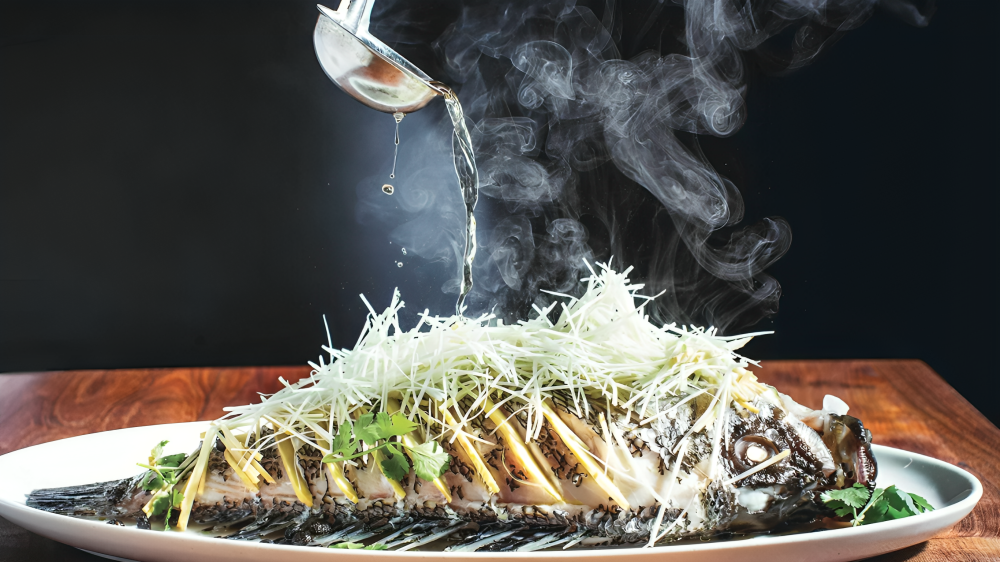
New York Times Cooking: no-recipe recipes offer a refreshing approach to home cooking that emphasizes intuition over strict instructions. Created by Sam Sifton, founding editor of NYT Cooking, these ideas encourage cooks to improvise with ingredients on hand rather than following precise measurements and steps. This method reduces kitchen stress while building confidence and creativity in preparing meals.
Many home cooks feel overwhelmed by traditional recipes that demand exact quantities and timing. No-recipe recipes counter this by providing flexible guidelines and prompts. They focus on flavors, textures, and simple techniques that anyone can adapt. The result is delicious food made quickly, often using pantry staples or quick market runs. This philosophy has gained popularity through Sifton’s newsletter and a dedicated cookbook featuring over 100 such ideas, each accompanied by vibrant photographs.
Understanding the Concept of No-Recipe Recipes
No-recipe recipes from New York Times Cooking strip away rigid formulas to celebrate intuitive cooking. Instead of lists with exact measurements, they offer casual suggestions like “a cup or two” of an ingredient or “a fistful” of herbs. The focus stays on core combinations that deliver balanced tastes and satisfying results without constant measuring.
Sam Sifton introduced these in his “What to Cook” newsletter around 2015, publishing one weekly to inspire readers. The approach trusts that home cooks know their preferences and can adjust on the fly. This builds real kitchen skills, such as balancing salt, acid, and heat, while turning everyday ingredients into standout dishes. It proves especially useful for busy weeknights when time is limited.
By following loose prompts, cooks learn to experiment safely. A simple roasted vegetable might gain depth from miso butter, or leftover protein could transform into a quick stir-fry. This method fosters freedom without chaos, making dinner more enjoyable and less intimidating.
The Origins and Popularity of NYT Cooking No-Recipe Recipes
The no-recipe format emerged from Sam Sifton’s desire to make cooking accessible and fun. As NYT Cooking grew, he noticed many subscribers wanted inspiration rather than prescriptive rules. His weekly no-recipe entries quickly became favorites, leading to a popular interactive collection and eventually a bestselling cookbook in 2021.
Readers embraced the concept because it mirrors real-life cooking. Pantries vary, produce changes seasonally, and appetites shift daily. Traditional recipes often fail when substitutions are needed, but no-recipe recipes thrive on flexibility. The NYT Cooking platform reinforced this with high ratings on dishes like speedy fish chowder or bulgogi-style tofu.
The book’s compact design and gorgeous photos make it practical for kitchen use. It includes pantry recommendations to support spontaneous meals. This collection has helped millions move beyond fear of failure toward confident, creative cooking that fits modern lifestyles.
Benefits of Cooking Without Strict Recipes
Adopting New York Times Cooking: no-recipe recipes reduces decision fatigue and waste. Cooks use what they have, minimizing last-minute shopping and throwing away unused ingredients. This approach also saves time since there is no need to hunt for rare items or measure meticulously.
It enhances creativity by encouraging flavor experimentation. Adding a splash of vinegar or handful of nuts can elevate a basic dish, teaching balance through practice rather than theory. Many discover they enjoy cooking more when it feels playful instead of mechanical.
Additionally, it builds practical skills transferable across meals. Understanding how ingredients interact helps with everything from salads to one-pan dinners. Families and beginners particularly benefit, as the method accommodates picky eaters and varying skill levels while producing consistently tasty results.
How to Get Started with No-Recipe Recipes
Begin by stocking a versatile pantry with oils, acids, spices, grains, and proteins. New York Times Cooking suggests items like good olive oil, soy sauce, garlic, onions, and canned beans as reliable building blocks. These allow quick assembly of meals without planning far ahead.
Next, choose a simple prompt from NYT sources, such as “weeknight fried rice” or “pasta with garbanzos.” Read the loose description, then adapt based on your fridge contents. Taste as you go and adjust seasoning freely—this is key to success.
Practice with forgiving dishes first, like smashed potatoes with greens or a kale salad with cranberries and blue cheese. Over time, you will develop instincts for proportions and pairings. Keep notes on what works to refine your personal style. The goal is confidence, not perfection.
Popular Examples from New York Times Cooking
NYT Cooking no-recipe recipes feature approachable crowd-pleasers. One favorite is fettuccine with minted ricotta: toss hot pasta with ricotta, fresh mint, scallions, olive oil, and lemon zest for a bright, creamy dish. Another is smothered pork chops with onion gravy, paired with lemony mashed potatoes and sautéed greens.
Other hits include roasted shrimp tacos, chicken with caramelized onions and croutons, and whatever-you’ve-got fried rice. Bulgogi-style tofu offers a vegetarian option with bold flavors from pantry sauces. Speedy fish chowder and New Mexican hot dish provide comforting one-pot solutions.
These examples highlight versatility across cuisines and dietary needs. Each uses straightforward techniques like roasting, sautéing, or quick simmering, proving that impressive meals require minimal fuss when guided by intuition.
Tips for Successful Improvisational Cooking
Success with New York Times Cooking: no-recipe recipes comes from balancing components: protein, vegetable, starch, and sauce or seasoning. Start with a base flavor profile—Asian-inspired with ginger and soy, or Mediterranean with herbs and lemon—and build from there.
Pay attention to texture contrasts for better eating experiences. Pair crunchy elements like toasted nuts with creamy sauces or crisp vegetables with soft grains. Heat levels matter too; taste frequently and adjust with acid or spice.
Keep it simple initially to avoid overwhelm. Use one-pan methods or sheet-pan roasting whenever possible. Document successful combinations mentally or in notes to repeat and improve them. Most importantly, relax—small mistakes often lead to happy discoveries that become signature dishes.
Common Challenges and How to Overcome Them
Beginners sometimes worry about bland results or unbalanced flavors when skipping exact instructions. Overcome this by building a flavor foundation early—sauté aromatics like garlic and onion first, then layer other tastes. Salt gradually and finish with acid or fresh herbs.
Time management can feel tricky without specified durations. Rely on visual and sensory cues: vegetables are ready when tender and caramelized, proteins when they reach safe internal temperatures or desired doneness. Practice improves judgment quickly.
Ingredient availability varies, so embrace substitutions. No fresh herbs Use dried or omit. No specific cheese Try what you have. The no-recipe philosophy celebrates adaptation, turning potential problems into opportunities for personalized meals that still taste great.
FAQs
What exactly are New York Times Cooking no-recipe recipes?
They are flexible cooking ideas from Sam Sifton that provide ingredient suggestions and basic methods without precise measurements or rigid steps. The goal is to encourage improvisation using what you have available.
Do I need special equipment or skills to try them?
No. Most require basic kitchen tools like a pan, knife, and oven or stovetop. They suit all experience levels by focusing on simple techniques and trusting your taste.
Where can I find more no-recipe recipes?
Check the NYT Cooking website, Sifton’s “What to Cook” newsletter, or the official No-Recipe Recipes cookbook, which includes 100 photographed ideas.
Are these recipes suitable for beginners or families?
Yes. Their forgiving nature helps new cooks build confidence while allowing customization for different tastes and portion sizes.
How do no-recipe recipes differ from traditional ones?
Traditional recipes demand exactness for consistency. No-recipe versions prioritize creativity, flavor intuition, and adaptability for everyday cooking.
Conclusion
New York Times Cooking: no-recipe recipes transform how we approach meals by prioritizing intuition, flexibility, and enjoyment over perfection. Sam Sifton’s innovative format empowers home cooks to create delicious dishes with pantry staples and fresh finds, reducing stress and waste in the process. Through examples like quick pastas, hearty proteins, and vibrant salads, these ideas demonstrate that great food emerges from confidence and simple techniques.
Embracing this method builds lasting kitchen skills while making cooking more fun and personal. Whether preparing a weeknight dinner or experimenting on weekends, no-recipe recipes invite creativity without pressure. Start small, trust your palate, and discover the satisfaction of meals made your way. This approach not only simplifies daily cooking but also reignites joy in the kitchen for cooks of all backgrounds.