
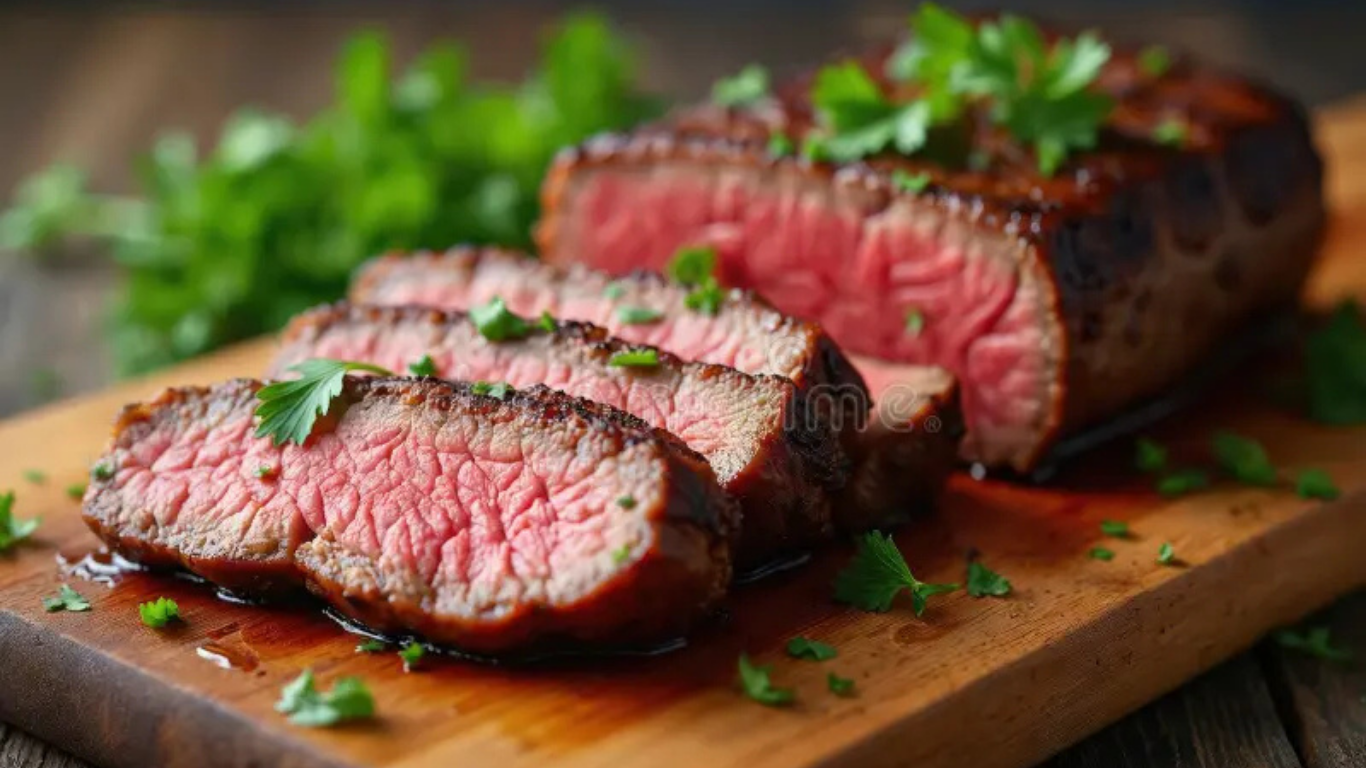
When it comes to steak, few things compare to the satisfaction of a flawless medium rare steak. This level of doneness delivers a tender bite that’s neither too tough nor overly soft, with flavors that burst through at their peak. The contrast between the deeply caramelized crust and the warm, rosy center creates an experience that keeps people coming back for more. Whether you’re firing up the grill on a weekend or searing in a cast-iron skillet on a weeknight, mastering medium rare steak turns an ordinary cut into something memorable.
Why Medium Rare Steak Hits the Sweet Spot
Medium rare steak sits right in the middle of the doneness spectrum, offering the best of both worlds. The interior reaches about 130 to 135 degrees Fahrenheit, keeping the proteins relaxed and the juices locked in. You get that unmistakable beefy flavor without the chew of well-done or the cool rawness some find off-putting in rarer preparations.
Seasoned cooks know medium rare steak lets the meat’s natural enzymes do their work during the brief rest period, softening connective tissues just enough for effortless slicing. The fat renders beautifully, basting the interior as it cooks, so every forkful carries richness without greasiness. Home cooks who aim for often report it feels more forgiving than chasing precise rare or medium temperatures because the window is wider and the results more consistent once you nail the method.
This doneness also highlights quality. A lesser cut cooked to still tastes decent, but a prime ribeye or filet at this level becomes exceptional. The pink center stays moist even if you slightly overshoot by a minute, making medium rare steak the reliable choice for both beginners and pros.
Selecting the Ideal Cut for Your Medium Rare Steak
Not every piece of beef performs the same way when targeting. Thickness matters more than anything else. Aim for steaks at least one inch thick, ideally 1.25 to 1.5 inches. Thinner cuts cook too fast and jump past the sweet spot before the crust forms properly.
Ribeye stands out as the champion for medium rare steak thanks to its generous marbling. The fat melts evenly during the sear, keeping the center juicy even if your timing varies by thirty seconds. New York strip offers a firmer texture that still yields beautifully at medium rare steak, while filet mignon provides buttery tenderness that almost melts on the tongue.
Flank or skirt steak can reach medium rare steak successfully if sliced thin against the grain after cooking, though they demand a quicker sear to avoid toughness. Choose grass-fed for a cleaner, more mineral taste or grain-finished for richer sweetness—both shine when prepared as. Always pat the surface bone-dry before seasoning; moisture steals heat and prevents the crust that defines great.
Essential Tools and Prep for Cooking Medium Rare Steak
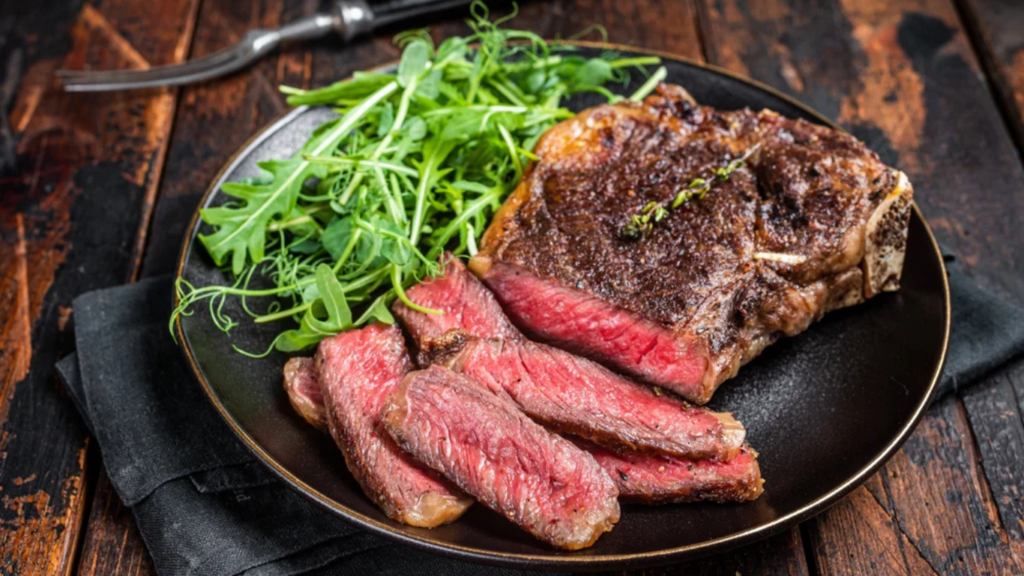
A heavy cast-iron skillet or solid grill grates make all the difference when cooking medium rare steak. They hold high heat without fluctuating, giving you control over that critical sear. An instant-read thermometer removes guesswork entirely—once you own one, hitting becomes almost automatic.
Prep starts the day before if possible. Season generously with kosher salt and let the steak sit uncovered in the fridge. This dry-brining draws moisture to the surface then pulls it back in, concentrating flavor. Pull the meat out thirty minutes before cooking so it loses the fridge chill. Room-temperature steak cooks more evenly toward.
Fresh cracked black pepper goes on right before the heat hits; it burns otherwise. A neutral oil with a high smoke point—avocado or grapeseed—keeps the pan from smoking while still allowing the Maillard reaction to build that dark, flavorful crust essential to any memorable.
Precise Techniques to Nail Medium Rare Steak Every Time
Start with a screaming-hot pan or grill. The surface should register at least 450 degrees. Lay the steak down and leave it untouched for three full minutes. That undisturbed contact creates the crust that locks in juices. Flip once, sear the second side another two to three minutes, then start checking temperature.
For thicker cuts, finish in a 400-degree oven after the initial sear. This two-step method—known as reverse sear when done in opposite order—gives medium rare steak edge-to-edge pink without a gray band near the surface. Pull the steak at 125 degrees internal; carryover cooking during rest will add the final ten degrees to reach perfect.
Grill lovers can use the same principle. Sear over direct high heat, then slide to indirect medium heat to finish. Baste with butter, garlic, and thyme in the last minute for extra depth. The key remains vigilance with the thermometer. Many experienced cooks can judge medium rare steak by touch alone after years of practice, but until then, the probe is your best friend.
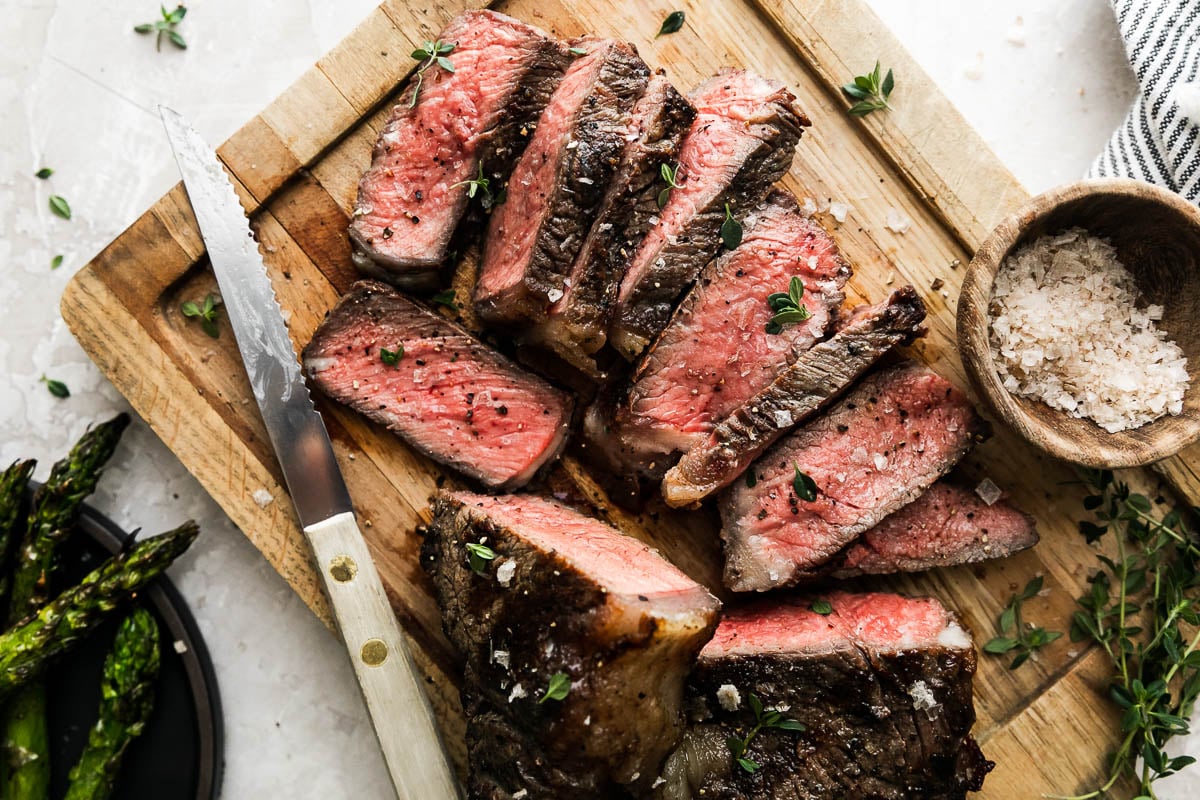
The BEST Grilled Steak, Butter Basted with Herb Brush (How to Grill Steak Perfectly!)
The moment the internal temperature hits target, move the steak to a warm plate. Any longer on the heat and you lose the delicate texture that makes special.
Avoiding Mistakes in Pursuing the Perfect Medium Rare Steak
One common error is pressing down with tongs or a spatula. That forces precious juices out, leaving even the best cut dry no matter how carefully you timed the rest. Another pitfall is cutting immediately after cooking. The fibers are still tense; wait eight to ten minutes and those juices redistribute beautifully for.
Overcrowding the pan drops the temperature and steams instead of sears. Cook one or two steaks maximum in a standard skillet. Cold meat straight from the fridge is another trap— it takes longer to reach in the center while the outside overcooks. Finally, skipping the rest period after cooking turns even perfectly timed into something less impressive.
Resting, Slicing, and Enhancing Your Medium Rare Steak
Resting is non-negotiable. Tent loosely with foil if you like, but avoid tight wrapping that traps steam and softens the crust. During those minutes the temperature climbs the last few degrees and the juices settle. Slice against the grain only after resting; the knife glides through fibers that have relaxed at medium rare steak temperature.
A final sprinkle of flaky sea salt right before serving wakes up every flavor note. Some cooks add a compound butter—blue cheese, roasted garlic, or chimichurri— that melts into the warm center. These small touches elevate from good to unforgettable without complicating the process.
Ideal Sides and Wines for Medium Rare Steak
Simple sides let medium rare steak stay the star. Charred asparagus or roasted broccolini cut the richness perfectly. Crispy smashed potatoes absorb any juices that escape the board. A sharp arugula salad with lemon vinaigrette refreshes the palate between bites of.
Red wine choices are classic for a reason. Cabernet Sauvignon or Syrah stand up to the bold sear and fat, while a lighter Pinot Noir highlights the delicate center of. For white wine fans, an oaked Chardonnay can work surprisingly well with richer cuts. The goal is balance—nothing too sweet or tannic that fights the clean beef flavor at the heart of medium rare steak.
Conclusion
Mastering medium rare steak rewards patience and attention more than any complicated technique. Once you internalize the right thickness, searing time, and rest period, the results become repeatable week after week. The payoff is a steak that tastes restaurant-quality in your own kitchen—juicy, flavorful, and perfectly pink from edge to edge. Practice a few times and you’ll find yourself confidently serving that impresses every time.