
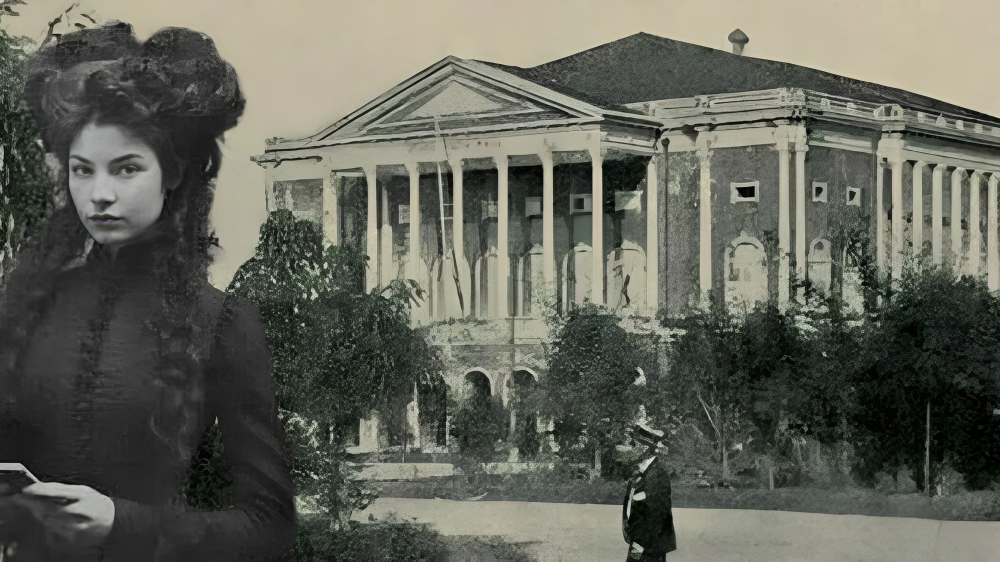
Camille Monfort remains one of the most captivating figures in modern folklore, blending the glamour of 19th-century opera with whispers of the supernatural. Known widely as the Amazonian Vampire, this French singer supposedly arrived in Belém, Brazil, during the height of the rubber boom. Her haunting voice and striking beauty enchanted the local elite, yet her unconventional lifestyle sparked dark rumors of vampirism. Though many details of her story feel almost too perfect for reality, the tale of camille monfort continues to intrigue history enthusiasts and mystery lovers alike, offering a window into how legends form in the shadows of colonial ambition and cultural clash.
Early Life and Path to Brazil
Camille Monfort was reportedly born in 1869 in France to a family with diplomatic ties. Her father, Henri Monfort, served as a consul-general, which may have facilitated the family’s move to Brazil around the 1870s. Growing up between European refinement and the vibrant rhythms of South America, she developed a passion for performance early on. By her early twenties, camille monfort had honed a voice described as both celestial and mesmerizing. This talent, paired with her independent spirit, led her to seek opportunities far from Parisian stages. The booming city of Belém, gateway to the Amazon, beckoned with its theaters and wealthy patrons eager for European culture.
Rise to Fame at Theatro da Paz
In Belém, camille monfort quickly became a sensation at the opulent Theatro da Paz. The rubber trade had transformed the city into a cultural hub, drawing international artists and affluent locals. Her performances drew packed houses, where audiences hung on every note. Men of influence showered her with gifts, while women eyed her with envy. camille monfort lived boldly, embracing luxuries funded by her talent and admirers. She mingled in high society yet defied norms, choosing freedom over convention. This blend of artistry and audacity made her a celebrity whose every appearance fueled gossip across the city.
Eccentric Habits That Raised Eyebrows
What truly set camille monfort apart were her unconventional behaviors. She was often seen walking alone at night along the Guajará River, dressed in flowing black gowns under the moonlight. During afternoon rains, locals claimed she danced half-naked in the streets, reveling in the downpour. Her pale complexion and hypnotic stage presence added to the intrigue. Some said her singing could make young women faint, an effect attributed to more than mere talent. These habits, unusual for the era’s expectations of women, painted camille monfort as both enchanting and unsettling in the eyes of conservative Belém society.
The Birth of the Vampire Legend
Rumors soon escalated into accusations of vampirism. Jealous rivals and superstitious residents whispered that camille monfort used her voice to control minds and sustain an unnatural thirst. Tales spread of nocturnal feasts and affairs with powerful men, including rumored liaisons involving champagne baths. Her solitary walks and dramatic flair fit the archetype of a seductive predator. As stories circulated in salons and markets, the label “Amazonian Vampire” stuck. This lore reflected deeper societal fears about independent women and foreign influences during Brazil’s economic surge. camille monfort became a symbol of mystery in a city caught between progress and old beliefs.
The Cholera Outbreak and Mysterious End
In late 1896, a devastating cholera epidemic swept Belém. camille monfort was said to have fallen victim at age 27. She was reportedly buried in the Cemitério da Soledade, with a tombstone reading “Here lies Camila María Monfort (1869-1896) The voice that captivated the world.” Yet legends persisted that her death was a ruse. Some claimed the grave was empty and that she had faked her demise to escape scrutiny or continue an immortal existence elsewhere. This ambiguity only deepened the myth, turning her story into one of eternal intrigue rather than a simple historical footnote.
Debunking the Myth and Historical Context
Despite the vivid narrative, extensive searches of archives, immigration records, theater logs, and cemetery documents have found no verifiable trace of camille monfort. Historians note the absence of contemporary newspaper mentions or official photos. Many images shared online today are modern AI creations, and the tale appears to have gained traction through recent social media and storytelling platforms. This lack of evidence suggests camille monfort is likely a compelling work of fiction or urban legend inspired by real cultural tensions of the rubber-boom era. It highlights how folklore thrives when blending romance, scandal, and the supernatural.
Cultural Impact and Enduring Allure
Today, the legend of camille monfort inspires books, podcasts, videos, and discussions worldwide. It captures imaginations by merging opera’s elegance with vampire lore in an exotic Amazonian setting. The story resonates because it speaks to timeless themes: the power of beauty, the cost of defying norms, and humanity’s love for unsolved mysteries. Whether viewed as pure entertainment or a mirror of 19th-century anxieties, camille monfort’s tale enriches global folklore. It reminds us that some stories endure not because they are true, but because they stir something deep within us.
FAQs
Who was Camille Monfort?
Camille Monfort is the central figure in a popular legend described as a French opera singer who lived in Belém, Brazil, in the 1890s. Celebrated for her voice and beauty, she supposedly captivated high society before rumors of vampirism emerged.
Why is she called the Amazonian Vampire?
The nickname arose from her pale appearance, late-night walks, and dramatic behaviors that locals interpreted as supernatural. Stories claimed her singing hypnotized audiences and that she harbored a thirst for blood, fitting classic vampire tropes.
Did Camille Monfort actually exist?
No concrete historical records confirm her life or career. Researchers have found no matching documents in French or Brazilian archives, suggesting the entire story is a modern legend or fictional creation amplified by online platforms.
What happened to her tomb?
According to the legend, camille monfort was buried in Belém’s Cemitério da Soledade after dying in the 1896 cholera outbreak. Some versions claim the grave is empty, fueling theories she faked her death.
Why does the legend of Camille Monfort persist?
The tale combines romance, scandal, and mystery against the backdrop of Brazil’s rubber boom. Its blend of fact-like details and supernatural elements makes it perfect for storytelling, keeping camille monfort alive in popular culture.
Conclusion
the legend of camille monfort offers a fascinating glimpse into how myths are born and sustained. From her supposed rise as an opera star in Belém to the vampire rumors that defined her, the story weaves history, folklore, and imagination into an unforgettable narrative. While evidence points to fiction rather than fact, its power lies in the questions it raises about beauty, independence, and the unknown. Whether you seek thrills or cultural insight, camille monfort’s tale continues to enchant, proving that some legends never truly die.